



Every grappler has rolled on five hours of sleep. The baby was up, work ran late, or your brain refused to shut off after hard rounds. You show up anyway and the whole session feels like moving through wet cement. That feeling is real. Short sleep changes what your body and brain can do on the mats, and creatine sits closer to that problem than most people realize.
What a short night actually costs you
Most of your recovery happens while you sleep. Muscle repair, hormone release, and the brain housekeeping that locks in the techniques you drilled. Cut the night short and the bill shows up fast. Reaction time slows. Grips fade earlier. You see the pass a beat late and defend it a beat later. Everything feels harder than it should because your perceived effort climbs even when the actual work stays the same.
Research on sleep restriction in athletes keeps finding the same pattern. Raw strength holds up for a session or two, but speed, skill and judgment drop quickly. BJJ is a timing and decision sport, so you feel it there first. The guard pull that lands a half second late. The scramble you lose because you hesitated.
Where creatine and sleep meet
Creatine is not just muscle fuel. Your brain runs on the same phosphocreatine energy system your muscles use, and it is an expensive organ to operate. When you are short on sleep, your brain works harder to do the same job and burns through those energy stores faster.
This is where supplementation gets interesting. Research suggests creatine can help you hold on to reaction time, mood and skill execution when you are running on too little sleep. Studies have put sleep-deprived athletes through sport-specific skill tests, and the ones with creatine on board held their level together better than the ones without it. The logic is simple. A topped-up phosphocreatine system gives a tired brain more energy to work with.
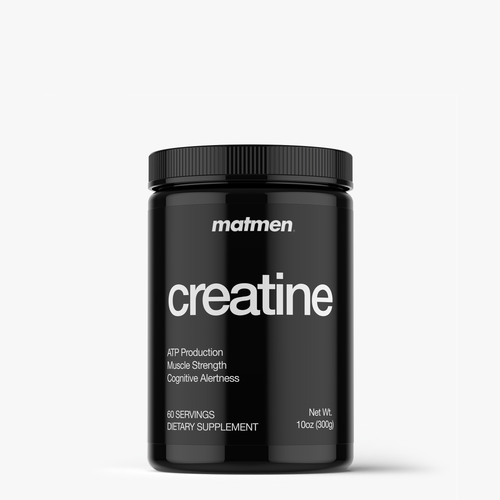
Daily creatine monohydrate at 3 to 5 grams keeps those stores full so the buffer is there on the nights you need it. This is not a trick you pull out the morning after. It works because you were already consistent.
Creatine and sleep quality
Common worry, easy answer. Creatine is not a stimulant. It will not keep you wired at night, so you can take it with dinner or before bed without a problem. Timing matters far less than taking it every single day, which we broke down in our post on the best time to take creatine.
There is also early research asking whether a better fueled brain gets more out of the sleep it does get. Interesting question, not a settled one. Treat it as a possible bonus, not a reason to supplement.
Fix the sleep side too
Be clear about what creatine does here. It buys back some sharpness on a bad night. It does not replace sleep, and nothing you can buy does. Muscle repair, hormone output and skill consolidation still require the hours.
So stack the basics in your favor. Keep the room cold and dark. Set a caffeine cutoff around noon if you train in the evening. Hold your sleep and wake times steady, even on weekends. If falling asleep is the hard part, magnesium glycinate in the evening supports relaxation and sleep quality, and we covered the wider menu in sleep supplements for athletes.
The playbook for short nights
Take your creatine daily so the buffer exists before the bad night does. When the short night comes, still train, but train smart. Pick drilling over hard rounds. Drink more water than usual because tired athletes forget to. A short nap before class helps if you can grab one. Then protect the next night instead of stacking a second bad one on top.
One rough night will not wreck your progress. A string of them will. Creatine helps you survive the first case. Only sleep fixes the second.
This article is for informational purposes only and is not medical advice.