



Almost everyone who competes in grappling cuts weight at some point. And almost everyone does it badly at least once. Maybe you've been there, spitting into a bottle in a hot car an hour before weigh-ins, wondering why you feel like garbage. It doesn't have to be like that. A safe weight cut is a planned one, and the plan is mostly boring. That's a good thing.
This guide covers how much you can realistically cut, how to do the water portion without cooking yourself, which supplements actually help during a weight cut, and how to rebuild after you step off the scale.
What a safe weight cut actually looks like
The first rule is that most of your cut shouldn't be a cut at all. It should be real weight loss, done slowly over the weeks before competition. The acute part, the water manipulation in the last few days, should be small. A common guideline among combat sports nutritionists is to keep the acute portion somewhere around 3 to 5 percent of body weight. For an 80 kg grappler that's roughly 2.5 to 4 kg. Go much beyond that and research on combat athletes shows performance drops, especially in later matches when you can't fully rehydrate between rounds.
Grappling adds a wrinkle that fighters in some other sports don't face. Many BJJ competitions weigh you in right before you compete, sometimes in your gi, with no time to recover. If that's your ruleset, a big water cut is off the table entirely. You need to walk around close to your division, full stop. The advice below about rehydration windows applies to events with a day-before weigh-in or at least a few hours of buffer.
The slow cut comes first
If you're more than a few kilos over your division, start weeks out, not days. A moderate calorie deficit, high protein to hold onto muscle, and normal training will move you down at a steady half kilo or so per week without touching your performance. This is unglamorous and it works. The grapplers who show up at weigh-ins looking like ghosts are almost always the ones who skipped this step and tried to do everything in the last five days.
Keep protein high the whole way through. Cutting calories and protein at the same time is how you lose the strength you spent all year building.
Water manipulation without wrecking yourself
The acute phase, done sensibly, leans on three levers. First, water loading. Drinking a lot of water for several days and then tapering sharply the day before weigh-ins encourages your body to keep flushing fluid even after you've reduced intake. Second, dropping sodium in the final days, since sodium holds water. Third, reducing carbs, because stored glycogen binds water, roughly 3 grams of it per gram of glycogen. Between these three you can shed a meaningful amount of scale weight without a single minute in a sauna suit.
Heat methods (hot baths, saunas) can top things off, but treat them as the last small piece, not the main event. And some things should simply be off the list. No diuretic pills. No laxatives. No stimulant "fat burner" stacks in fight week. Diuretics are banned in most tested competition anyway, and all of these carry real health risks for a benefit you can get more safely from the levers above.
Supplements during a weight cut
No supplement cuts weight for you. What supplements can do is keep you healthy and functional while you're in a deficit, and help you rebound after weigh-ins. That distinction matters, because anything marketed as a shortcut for making weight is either useless or dangerous.
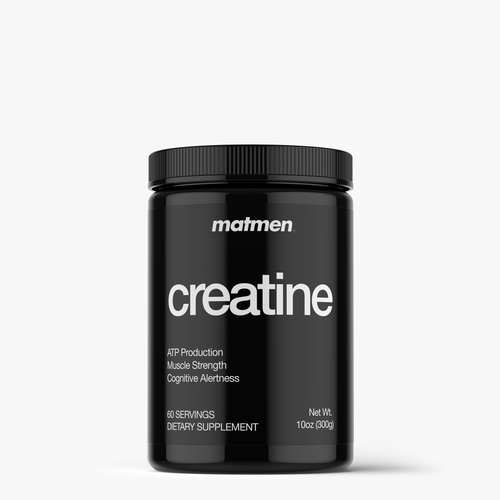
The one everyone asks about is creatine. Yes, creatine monohydrate pulls water into your muscle cells, and yes, that typically adds somewhere around a kilo of body weight. Should you stop taking it before competition? For most grapplers, no. That water lives inside your muscle where it supports performance, and dropping creatine for a couple of weeks to save a kilo trades away strength and repeat-effort capacity right when you need them most. If your division is genuinely razor thin, it's a lever you can discuss pulling, but it should be one of the last ones, not the first. We went deep on dosing and timing in our earlier post on creatine for BJJ if you want the full picture.
Magnesium is the quiet workhorse of a cut. Sweating heavily and eating less both drain it, and low magnesium shows up as cramps, poor sleep, and that wired-but-exhausted feeling in fight week. A well absorbed form like magnesium glycinate taken in the evening supports sleep and muscle relaxation without the digestive issues cheaper forms cause, which is the last thing you want while managing food intake. We covered why it matters for grapplers specifically in our magnesium for grapplers post.
Beyond those two, your basics still apply. A deficit means less food, and less food means fewer micronutrients coming in, so this is exactly the wrong time to abandon things like omega-3 fish oil that you'd normally get partly from meals. Keep the foundation in place and skip anything exotic.
Rehydrating after weigh-ins
How you rebuild is at least as important as how you cut. If you have a rehydration window, start immediately and work in stages rather than chugging. Fluid with sodium comes first, because plain water alone won't restore your blood volume properly. Then carbs to refill glycogen, from easy digesting sources you've tested in training. Small, frequent, familiar. A giant celebration meal the night before you compete is a classic way to spend match day feeling bloated and slow.
Give yourself as many hours as the ruleset allows. Research on combat athletes suggests full rehydration from a moderate cut takes the better part of a day, which is why the size of your cut should be decided by the length of your recovery window, not by how tough you think you are.
The short version
Lose most of the weight slowly, weeks out. Keep the acute water cut small, around 3 to 5 percent of body weight at most, and skip it entirely if you weigh in right before you compete. Use water loading, sodium, and carbs as your levers, not diuretics or marathon sauna sessions. Keep taking your creatine unless you truly have no other option. Support the cut with magnesium and your normal foundation, then rehydrate in stages with fluids, sodium, and carbs. If you'd rather not piece it together yourself, the Competition Stack bundles the recovery basics we lean on for competition camps.
Boring plans make weight. Desperate plans make stories you tell in the sauna.
This article is for informational purposes only and is not medical advice. Talk to a qualified professional before making changes to your diet or supplement routine.