


Walk into any supplement shop and every bottle promises the same things. Pure. Potent. Trusted by athletes. The problem is that none of those words are regulated, and the industry mostly polices itself. Third party tested supplements are the exception. Someone with no stake in the sale opened the bottle and checked what was actually inside. If you train hard and put anything in your body beyond food, that one filter matters more than price, flavor, or whoever's face is on the ad.
What makes third party tested supplements different
Most supplement brands test their own products, or trust the certificate their raw ingredient supplier handed them. That's the fox guarding the henhouse. Third party testing means an independent lab with no financial stake verified two things. First, that the bottle contains what the label says, at the dose the label says. Second, that it doesn't contain things it shouldn't, like heavy metals, or in the case of sport certifications, substances banned in competition.
The names worth knowing are NSF Certified for Sport, Informed Sport, and USP Verified. The first two screen every certified batch against banned substance lists, which is why pro athletes in stick and ball sports are often required to stick to them. USP is less sport focused but strong on identity, potency, and purity. A bottle carrying one of these seals went through real scrutiny. A bottle that just says "lab tested" in nice font went through a marketing meeting.
Why grapplers get burned more than most
Grapplers live in a weird middle zone. BJJ isn't drug tested at your average local open, but step onto bigger stages and testing shows up, and it doesn't care whether you ingested something on purpose. Tainted supplements have ended competition runs in plenty of sports, and "it was in my pre workout" has never saved anyone's result.
Even if you never compete, you're still training four or five days a week and asking your body to recover. A fish oil that's gone rancid, a creatine that's underdosed, or a "testosterone support" blend hiding who knows what all work against the training you're paying for in sweat. You check your training partners' hygiene before you roll. Check your supplements with the same energy.
How to verify third party tested supplements before you buy
Start with the seal, then verify the seal. Every legit certifier runs a public database on its own site where you can search the product and batch. Fake seals exist, so a logo on the label is a claim, not proof. Two minutes on the certifier's website settles it.
Next, look for a batch or lot number printed on the bottle. No lot number means no traceability, and no traceability means nobody can tell you what run of product you're holding. Serious brands also provide a certificate of analysis, a CoA, when asked. If customer service dodges that question, that silence is your answer.
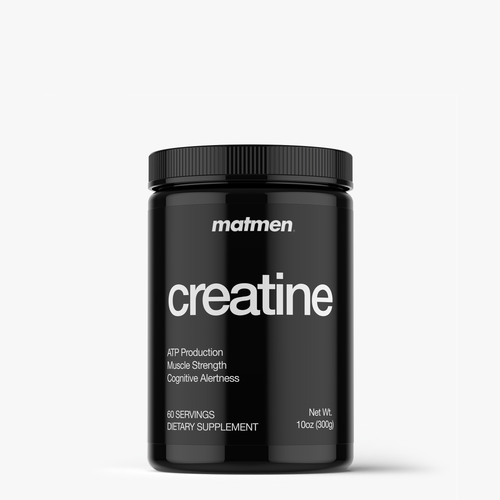
Favor single ingredient products where you can. A bottle of plain creatine monohydrate is easy to test and easy to verify, which is part of why creatine is the most studied supplement in sports nutrition. We covered what the research actually says in our piece on creatine myths. Compare that to a 14 ingredient "performance matrix" where no lab on earth can tell you if each ingredient hits its claimed dose, because the doses are hidden inside a proprietary blend.
Fish oil deserves special attention since it can oxidize and can carry heavy metals if sourcing is sloppy. A quality omega-3 should disclose its EPA and DHA content per serving and its sourcing. If you want to know what doses are worth taking in the first place, our fish oil dosage breakdown covers it.
Red flags that should end the conversation
Proprietary blends top the list. If a brand won't tell you how much of each ingredient you're getting, assume the expensive ones are sprinkled in for the label. Disease claims are another walk away moment. Supplements support normal function. Anything promising to cure, treat, or fix a medical condition is breaking the rules and telling you how the company operates.
Price can be a tell too. If a product costs less than the raw ingredients would cost at honest doses, the math only works one way. And brands that get defensive when asked about testing are answering the question by refusing to answer it.
The short version
Look for NSF Certified for Sport, Informed Sport, or USP on anything you take regularly, and verify the certification on the certifier's own database. Demand a lot number, favor single ingredient products with transparent doses, and treat proprietary blends and miracle claims as exits. Your training is built on thousands of honest rounds. The stuff in your cabinet should be held to the same standard.
This article is for informational purposes only and is not medical advice.