


You spent months getting ready for this tournament. You drilled your game plan, managed your weight, and got your cardio where it needs to be. Then competition day arrives and the whole thing gets decided in a convention center where your division runs three hours late, the only food for sale is pizza, and your stomach is doing backflips. What you eat and drink that day won't win matches for you. Getting it wrong can absolutely lose them.
Here's how to handle the whole day, from dinner the night before to the moment you step off the mat for the last time.
Competition day nutrition starts the night before
Your first match runs mostly on the fuel you stored the day before. Glycogen, the carbohydrate your muscles bank for hard efforts, takes hours to top up, so dinner the night before matters more than anything you eat the morning of. Go heavy on carbs you know your gut handles well. Rice, pasta, potatoes, bread. Add a normal portion of protein, keep the fat moderate, and skip anything spicy, greasy, or new. Competition eve is not the night to try that Thai place next to the hotel.
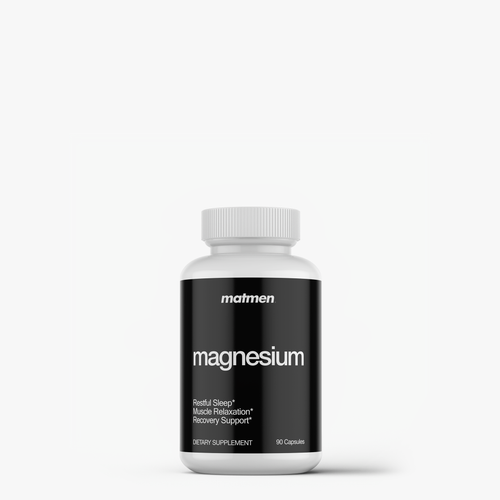
Hydrate steadily through the evening instead of chugging a liter before bed. And protect your sleep. Nerves make this hard, which is exactly why a consistent wind-down helps. Many grapplers take magnesium glycinate with dinner or before bed; it's the form of magnesium best tolerated by the stomach, and research suggests it supports sleep quality and normal muscle function. A rough night won't ruin you, so don't panic if you're staring at the ceiling at midnight. One bad night hurts far less than people think. We covered the science in our post on sleep and BJJ recovery if you want the full picture.
If you cut weight, rehydrate before you refuel
Weighing in dehydrated changes the whole plan. Fluid and electrolytes come first, food second. Start sipping a carb and electrolyte drink immediately after you step off the scale, and keep sipping rather than gulping. Small, frequent amounts absorb better and won't leave you sloshing. Then move to easily digested carbs and salt. White rice, bananas, pretzels, honey. Give your gut at least 90 minutes between a real meal and your first match if you can.
If your cuts are big enough that recovery feels rough, the problem is the cut, not the refuel. We wrote a full breakdown in our guide to safe weight cutting, and the short version is that grapplers rarely need to cut hard for a Saturday tournament with same-day weigh-ins.
Breakfast on competition day
Eat two to three hours before your estimated first match, and keep it familiar. The template is simple: carbs you digest easily, a modest amount of protein, low fat, low fiber. Oatmeal with a banana and honey. White rice with eggs. Toast with jam and some yogurt. Whatever you'd eat before a hard training day, because you've already tested that.
The classic mistake is eating a huge "fuel up" breakfast out of nervousness, then feeling heavy and sick during warmups. The second classic mistake is being too nervous to eat at all, then falling apart in match three. If nerves kill your appetite, go liquid. A smoothie with fruit, oats, and a scoop of protein goes down easy even when your stomach is in knots.
Eating between matches
Tournament schedules are chaos. You might fight twice in twenty minutes or wait four hours between rounds. So don't plan meals, plan grazing.
Short gaps of under an hour call for fast carbs only: a few gummy bears, a rice cake with honey, half a banana, sips of a sports drink. Longer gaps of two hours or more can handle something slightly more substantial, like a small rice bowl, a plain turkey sandwich, or a banana with a little nut butter. Keep sipping fluids with electrolytes the entire day, especially in hot venues where you're sweating through warmups alone.
One rule above all: nothing new. Every snack in your bag should be something you've already eaten around hard training. Competition day is a terrible laboratory.
Supplements worth taking on competition day
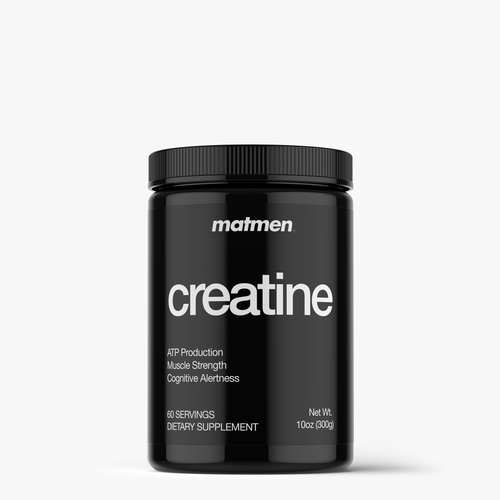
Most of the work supplements do happens in the weeks before you compete, not the day of. Creatine monohydrate is the clearest example. It builds up in your muscles over weeks of daily use and supports repeated explosive efforts, which is basically a description of a grappling match. Take your normal daily dose on competition day, but understand it's the previous month that did the heavy lifting.
Caffeine is the one acute performance aid with strong evidence behind it. Coffee or a caffeine tablet 30 to 60 minutes before your first match improves alertness and power output for most people. Use the dose you're used to. Doubling it because it's a big day is how you end up jittery, nauseous, and gassed in round one.
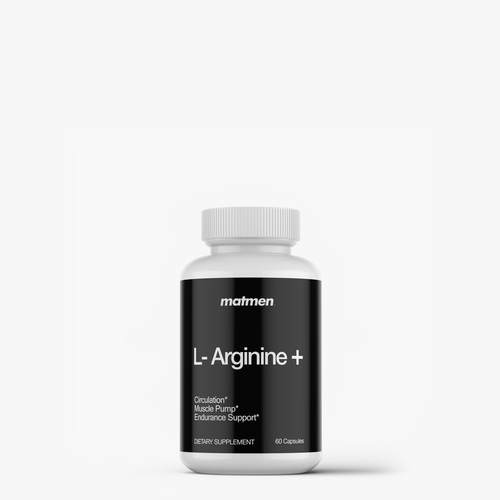
Some athletes also take L-Arginine pre-match to support blood flow and that warm, pumped-up feeling during a hard warmup. If it's part of your normal pre-training routine, it earns a spot in the bag. And if competition nerves eat at you for weeks before a big event, there's decent research on saffron extract taken daily for mood and stress. That's a lead-up tool rather than a day-of fix.
If you'd rather not think about any of this piece by piece, the Competition Stack bundles the core pieces so your training camp and your competition day run on the same routine.
Pack your bag the night before
Assume the venue has nothing but vending machines, because it usually does. A solid competition bag holds two liters of water plus an electrolyte drink, fast carbs (gummies, bananas, rice cakes, honey packets), one real backup meal like a sandwich or rice bowl, your usual caffeine, your daily supplements, and salty snacks like pretzels for after weigh-ins. Toss in more than you think you need. You'll either eat it or make a friend at the bleachers.
When the last match ends
Win or lose, your body just did something hard. Get a proper meal with carbs and protein within a couple of hours, rehydrate, and then eat whatever sounds good, because you've earned it and one celebration meal changes nothing. Recovery from a tournament takes a few days, so train light early in the week and let your sleep catch up.
Competition day rewards boring decisions. Familiar food, steady fluids, your normal routine done at the right times. Save the surprises for your opponents.
This article is for informational purposes only and is not medical advice. Talk to a healthcare professional before starting any supplement.