


Walk into any supplement shop and tell them you do jiu-jitsu, and you'll walk out with a bag full of stuff you don't need. The recovery supplement market is enormous, and most of it is noise. But underneath the marketing there's a short list of things with real evidence behind them, and they happen to matter most for people who train grappling four or five days a week.
Here's the honest list. Five things, ranked roughly by how confident the science is.
1. Creatine monohydrate
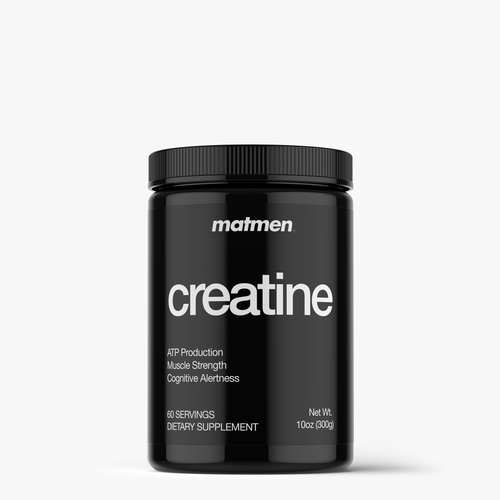
Boring, cheap, and better supported by research than anything else on this page. Creatine refills the fuel system your muscles use for short explosive efforts, which is basically all of grappling. It also helps you recover between sessions, not just between rounds. Some studies suggest it reduces markers of muscle damage after hard training too.
Take 3 to 5 grams of creatine monohydrate a day, every day, and forget about it. We covered the full picture, including the weight class question, in our creatine for BJJ guide.
2. Protein, mostly from food
Not glamorous, but nothing repairs muscle without it. Combat athletes generally need more than sedentary people, somewhere around 0.7 to 1 gram per pound of bodyweight when training is heavy. Hit that from real meals first. A protein shake is a convenience, not a requirement. If you're already eating enough protein, buying more powder won't recover you faster.
3. Omega-3s
Hard training creates inflammation. Some of that is the point, since adaptation runs through it, but chronically elevated inflammation from daily rolls plus a modern diet is a different story. EPA and DHA from fish oil support a healthier inflammatory response, and there's decent evidence for reduced soreness and better joint comfort over time. If you don't eat fatty fish twice a week, this is one of the easier gaps to close.
4. Magnesium
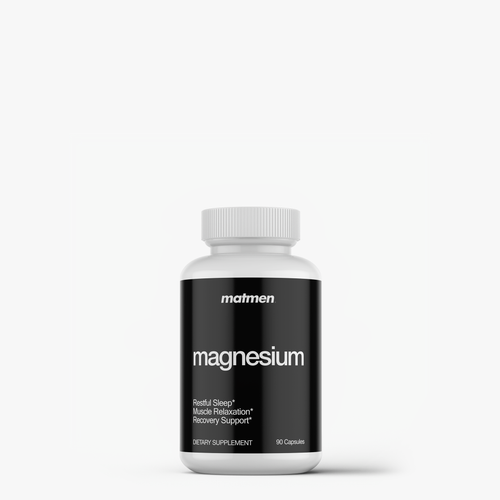
The quiet one. Magnesium is involved in muscle contraction, sleep quality, and hundreds of other processes, and athletes lose it through sweat. Low magnesium shows up as poor sleep, cramping, and generally feeling wired but tired. Glycinate is the form worth buying because it absorbs well and doesn't wreck your stomach. Taken in the evening, many grapplers notice the difference in sleep within a couple of weeks.
5. Turmeric with ginger
The evidence here is younger than creatine's, but it's promising for one specific problem grapplers know well: cranky joints. Curcumin, the active compound in turmeric, has repeatedly shown benefits for joint comfort in research, and ginger adds its own anti-inflammatory support. If your fingers, knees, and elbows complain more than your muscles do, this is the one to try, and it's why we built our Turmeric + Ginger formula around exactly that use case.
What didn't make the list
BCAAs (redundant if you eat enough protein), glutamine (great for gut research, weak for muscle recovery), and most "recovery blends" with a dozen underdosed ingredients. If a label lists fifteen things, assume none of them are dosed properly.
The order matters
Sleep and food do more for recovery than everything above combined. Supplements are the last 10 or 15 percent. But if the basics are handled and you train hard enough for that margin to matter, start at the top of this list and work down. One thing at a time, a month each, and keep what you can actually feel.
This article is for informational purposes and isn't medical advice. Talk to a healthcare professional before starting any supplement.