




You know the feeling. Weigh-ins are done, the bracket is posted, and your first match is still an hour out. Your heart is pounding like you just finished a hard round, except you haven't touched anyone yet. Your mouth is dry, your legs feel heavy, and you keep walking to the bathroom for no reason. That's competition nerves, and every grappler from white belt to black belt deals with them.
Here's the good news. Nerves aren't a character flaw and they don't predict a bad performance. They're adrenaline showing up early. The job is to manage the timing so you don't burn your whole gas tank in the bullpen. This is what actually helps.
Why competition nerves hit BJJ so hard
Competing in jiu-jitsu is a strange kind of exposure. It's one on one, there's nowhere to hide, and someone is actively trying to strangle you in front of a crowd. Your nervous system reads that as a threat and responds the way it was built to. Heart rate climbs, breathing goes shallow, digestion shuts down, and your body dumps fuel into your bloodstream hours before you need it.
That response is useful for six minutes of grappling. The problem is it usually kicks in three hours early. First timers who gas out ninety seconds into a match usually didn't run out of cardio. They spent the whole morning in fight or flight and stepped on the mat already empty. If that's ever happened to you, your conditioning was never the issue.
The week before matters more than the morning of
Most of the calm you feel on Saturday gets built Monday through Friday. Three things do the heavy lifting.
Keep training normal. Don't cram new techniques or double your rounds the week of a comp. You compete with the game you already have. A normal, slightly lighter week tells your body nothing unusual is coming.
Protect your sleep. Nerves get louder when you're underslept, and almost everyone sleeps badly the night before a tournament anyway. So bank sleep earlier in the week and don't panic about the last night. If you tend to lie awake running the bracket in your head, Magnesium Glycinate in the evening supports relaxation and normal sleep quality, which is exactly what that week calls for. We went deeper on this in sleep and BJJ recovery.
Rehearse the day, not just the matches. Spend five minutes a few evenings that week walking through the whole thing in your head. Warming up, hearing your name, slapping hands, getting your first grip. Your nervous system treats rehearsal like familiarity, and familiar things feel less like threats.
What to do the morning of
Eat food you've eaten before training a hundred times, two to three hours out. Nothing new, nothing heavy. We broke down the full plan in competition day nutrition, but the short version is carbs you trust, some protein, and steady sips of water instead of chugging a bottle at the venue door.
Go easy on caffeine. A nervous system that's already revving doesn't need a triple scoop of pre-workout on top of it. If you normally have coffee, have your normal coffee. Half of it might serve you better.
Then give the adrenaline somewhere to go. A real warm up, hard enough to break a sweat, twenty to thirty minutes before you're up. Shrimping, takedown entries, a few stiff rounds of flow rolling with a teammate. Adrenaline is fuel. Burned off in a warm up, it sharpens you. Left sitting in your system, it turns into shaky legs and a racing mind.
Breathing beats thinking in the bullpen
Once you're in the staging area, your brain will offer you every worst case it can find. Don't argue with it. Breathe instead. Long exhales are the one manual override you have on your own heart rate. In through the nose for a count of four, out slow for six to eight. A few quiet minutes of that will bring you down in a way positive self talk never does.
Keep the routine boring and consistent. Same playlist, same drills, same corner of the mat. And watch fewer matches. Staring at your division while you wait is a nerve amplifier, not scouting.
Give yourself one job for the first exchange. Not a twelve branch game plan. One grip you're going to get, or one takedown entry you're going to hit no matter what. The fastest cure for nerves is the first grip. Nobody is nervous thirty seconds into a match.
Supplements that support a calmer baseline
No capsule replaces mat time, breath work, or a proper warm up. What supplements can do is support the baseline you're working from during a hard camp.
Pure Saffron Extract is the one we reach for here. Research suggests saffron supports a balanced mood and a normal response to everyday stress when it's taken consistently, and consistency is the whole point. It's a daily tool for the training camp, not a pill you swallow in the parking lot.
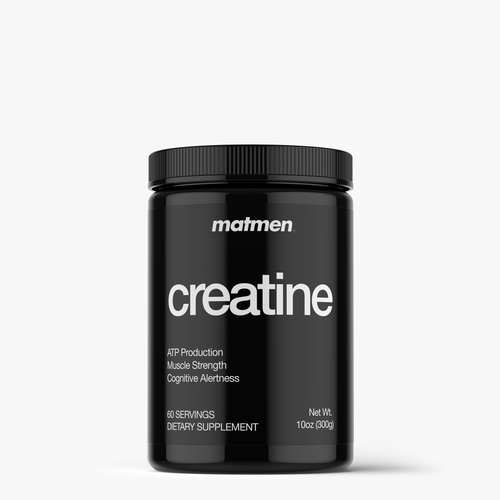
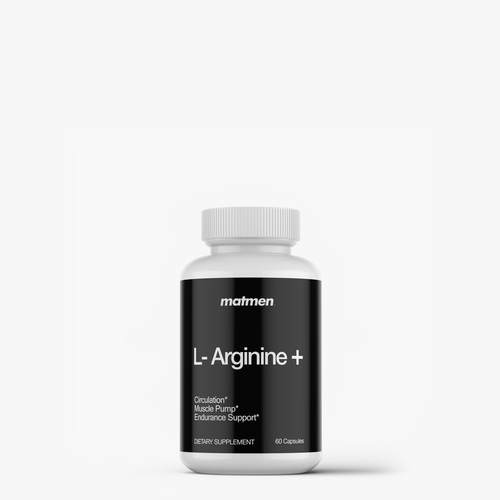
The rest of the foundation is what it always is. The Competition Stack exists for exactly this stretch of the calendar, and everything in it does its work over weeks of training, not on the day. Nothing new on comp day applies to supplements too. Start early or wait for the next one.
Competition nerves mean you care
Talk to the highest level competitors you know and you'll hear the same thing. The nerves never fully leave. What changes is the story they tell about them. A racing heart, sweaty palms, and the urge to pace are the same physical state as excitement. Your body isn't malfunctioning. It's getting you ready.
You'll never delete competition nerves, and you shouldn't want to. Flat competitors perform flat. Build the routine, do the reps, give the adrenaline a job. Then go get your grip.
This article is for informational purposes only and is not medical advice.