


Ask ten grapplers how they handle hydration and you'll get ten shrugs. Fill the bottle, sip between rounds, done. Then round four feels like moving through wet cement, your calf locks up in the last exchange, and a headache shows up on the drive home. None of that is bad luck. Most of it is water and salt.
Here's what a hard session actually costs you, what electrolytes really do, and a dead simple way to stay ahead of it without buying neon powder off a billboard.
The gi turns every session into a sauna
A heavy cotton jacket, a warm room, twenty other bodies putting off heat, and an hour of hard rounds. That combination makes grappling one of the sweatiest sports there is. Plenty of grapplers step off the scale 2 to 4 pounds lighter after a hard gi class, and nearly all of that is water.
Sweat rate climbs with room temperature, intensity, and body size, and the gi blocks most of the evaporation that would normally cool you down. So you sweat even more to compensate. No-gi in a Florida summer room isn't much better. If you can wring out your rash guard after training, you're in the same boat.
Once you're down around 2 percent of your body weight in water, output drops. Grip fades, reaction time slows, everything feels heavier than it should. That's not a character flaw in round five. That's physiology.
Sweat takes more than water
Sweat is mostly water, but it carries minerals out with it. Sodium leaves in the largest amounts by far, along with smaller amounts of potassium, chloride, and magnesium. Lose enough sodium and plain water stops fixing the problem. Drink a gallon without replacing salt and you dilute what's left, which is why some people finish a big water day feeling worse, not better.
This matters double if you cut weight. Draining water for a weigh-in and then rehydrating with plain water alone is a rough combination, and it's one reason competitors feel flat the next day. We covered the bigger picture in our weight cutting guide, but the short version is that everything you drain has to go back in, minerals included.
How electrolytes actually drive hydration
Electrolytes are just charged minerals. Sodium, potassium, magnesium, chloride, calcium. They control where water goes in your body. Water follows sodium, so the salt in your system decides how much fluid you actually hold onto instead of passing straight through.
That's the whole trick behind every electrolyte product on the market. Salt plus water absorbs and stays better than water alone. You don't need a three dollar packet with a mascot to get there. Salted food with meals does most of the job, and a pinch of salt in the training bottle covers the rest on heavy days.
Potassium comes from normal food easily enough. Fruit, potatoes, beans. Magnesium is the one grapplers most often run short on, because it leaves in sweat, it's involved in muscle contraction, and it's thin in the average diet. Cramps, restless sleep, and twitchy muscles after big training weeks are the classic signs.
A simple hydration plan for training days
Nothing here requires an app.
Before training. Show up hydrated instead of chugging in the parking lot. Drink normally through the day and have a glass of water with a salted meal 2 to 3 hours before class. Pale yellow urine is the boring, reliable check.
During training. Sip between rounds instead of pounding half a bottle at once. For a normal hour, water is fine. For a two hour session, a hot room, or a double day, add electrolytes or a pinch of salt to the bottle.
After training. Weigh yourself before and after class a few times to learn your sweat rate. Replace roughly one and a half times what you lost over the next few hours, with salt in the mix. A real meal plus water beats any recovery drink.
Coffee before training is fine, by the way. The fluid in the cup outweighs the diuretic effect at normal doses.
Where creatine and magnesium fit in
Two supplements touch hydration directly.
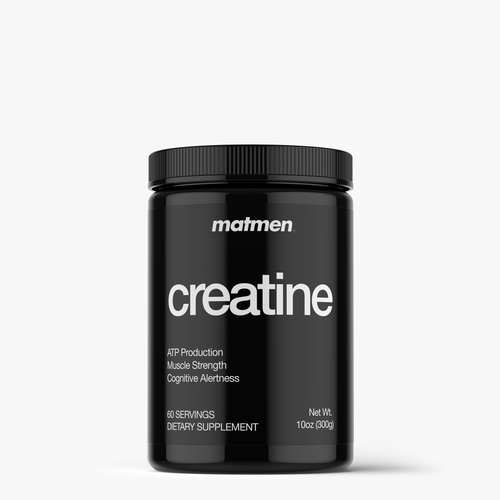
Creatine Monohydrate pulls water into your muscle cells, which is exactly where you want it. That shift is part of why creatine supports repeated hard efforts. It also nudges your baseline water needs up slightly, so drink a bit more, and ignore anyone who tells you creatine causes cramps. Research suggests the opposite, if anything.
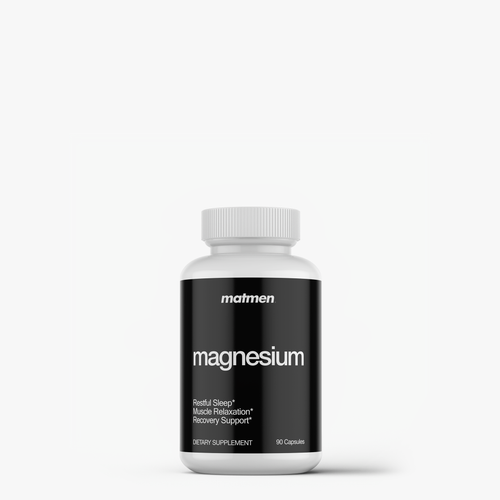
Magnesium Glycinate covers the mineral you're most likely to actually run low on. Take it in the evening and it pulls double duty for sleep quality. We broke down timing in best time to take magnesium if you want the details.
Most of the rest of the electrolyte aisle is salt, sugar, and branding. Spend accordingly.
Hydration for grapplers comes down to this. Water through the day, salt with food, minerals back in after the sweaty sessions, magnesium at night if cramps and bad sleep keep finding you. Run that for two weeks and watch what happens to your late rounds.
This article is for informational purposes only and is not medical advice.