


Here's the pattern. Monday's training feels great. Wednesday feels okay. By Friday you're moving like a rental car with 200,000 miles on it, and Saturday open mat sounds like a threat. The limiting factor for most grapplers isn't skill or conditioning. It's how fast they recover between sessions. The good news is that recovery responds to a handful of levers, and most people are only pulling one or two of them.
Sleep is the whole ballgame
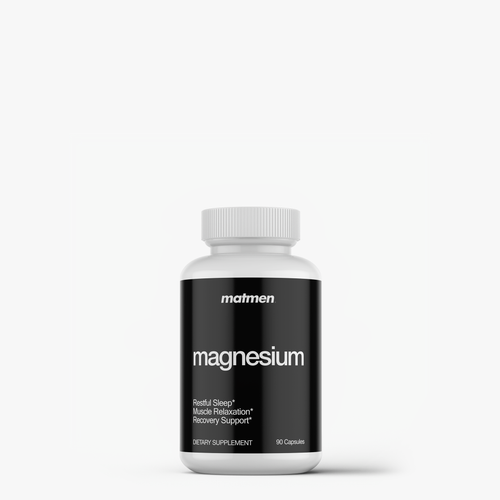
Nothing else on this page comes close. Growth hormone release, tissue repair, and nervous system reset all happen disproportionately during deep sleep, and the research on athletes is blunt: short sleep means slower recovery, worse reaction time, and higher injury rates. Aim for eight hours. If evening training leaves you wired at midnight, that's a solvable problem. Cut caffeine after noon, dim screens after class, and consider magnesium glycinate in the evening, which supports the wind-down and covers a mineral you sweat out on the mats anyway. We went deep on this in our magnesium for grapplers guide.
Eat like recovery matters
Two simple rules cover most of it. Get enough protein across the day, roughly 0.7 to 1 gram per pound of bodyweight when training is heavy. And don't train hard on chronically low calories, because the body funds repair from surplus energy, not from wishful thinking. A real meal within a couple of hours after training beats any perfectly timed shake.
The supplements that actually help
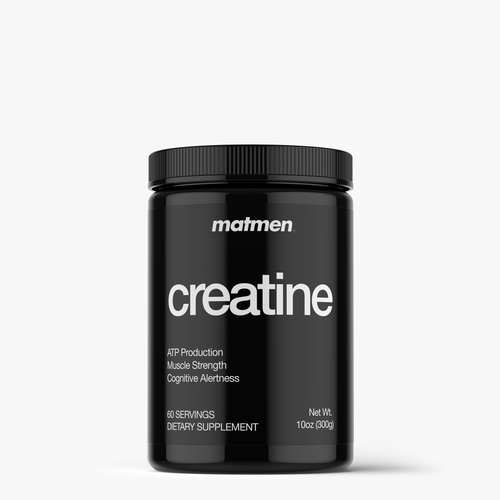
Three earn their spot. Creatine monohydrate refills the energy system grappling runs on and helps you show up less flat across a heavy week, which is why it tops our recovery supplement rankings. Omega-3s from fish oil support a healthier inflammatory baseline when you're training most days. And if joints are your weak point rather than muscles, turmeric with ginger has the best evidence for that specific job.
Active recovery beats the couch
Total rest sounds right and usually isn't. Light movement on off days, a walk, easy cycling, gentle drilling, pushes blood through sore tissue and consistently beats doing nothing in soreness studies. The key word is light. If your "recovery flow" turns into rounds, that's just more training.
What you can mostly skip
Ice baths feel productive but may blunt some adaptation when used after every session, so save them for competition weekends when you need to feel fresh tomorrow rather than adapt long-term. Massage guns are fine but they're comfort, not repair. And no supplement compensates for six hours of sleep and a protein intake you never measured.
Put it together
Sleep eight hours. Eat enough protein. Take the two or three supplements with real evidence. Move lightly on rest days. Manage the ego that says every session must be a war. Grapplers who do these boring things for six months quietly become the people who train five days a week for a decade without falling apart.
This article is for informational purposes and isn't medical advice. Talk to a healthcare professional before starting any supplement.