



Sauna culture and grappling culture were always going to find each other. Heat feels like recovery, it doubles as a weight cut tool, and half your gym swears by it. The other half thinks you are cooking yourself for nothing. The truth sits in the middle, and where you land depends on what you are actually using the heat for.
Here is what the sauna does for a grappler, where it earns a spot in your week, and the mistakes that turn a good habit into a flat week of training.
What the sauna actually does
Sit in a hot room for fifteen or twenty minutes and your body treats it like light cardio. Heart rate climbs, blood shifts toward the skin, and you sweat hard. Do that a few times a week for a few weeks and you adapt. Research suggests regular heat exposure expands plasma volume and improves how well you tolerate heat overall. That is part of why sauna regulars seem less bothered by a packed, humid training room in August.
That adaptation matters more for grapplers than for most athletes. If you have ever competed in a crowded venue with no air moving, you know the person who handles heat best is the one still pushing the pace in the third match of the day.
Heat and recovery, the honest version
A sauna session after training feels incredible on sore muscles, and that feeling is worth something on its own. Warm tissue, a slower nervous system, twenty minutes where nobody is grabbing your collar. Some people notice less stiffness the next day. It is a real tool, just not a magic one. Nothing about sweating pulls lactic acid out of you, whatever the sign at the gym spa says.
The strongest recovery play might be sleep. An evening session raises your core temperature, and the cooldown afterward tends to make you drowsy in the best way. If you already take Magnesium Glycinate at night, a sauna an hour or two before bed slots right in front of it. Hard training days plus deep sleep is the whole recovery formula, and heat can nudge the second half along.
Worth saying plainly, heat and cold are not the same argument. We broke down the cold side in our ice bath post, and the short version is that cold right after training can blunt some of the strength and muscle adaptations you just paid for. Post training heat does not carry that same baggage, which makes the sauna the easier default after hard rounds.
Sauna and the weight cut
Now the part everyone actually asks about. Yes, the sauna takes weight off. No, none of it is fat. Every pound you sweat out is water, and it comes back the moment you rehydrate. That makes the sauna a last mile tool for the final pound or two before a weigh in, not a plan for making the weight class in the first place. If you are leaning on heat for five or more pounds the day before, the problem is the diet, not the sauna schedule.
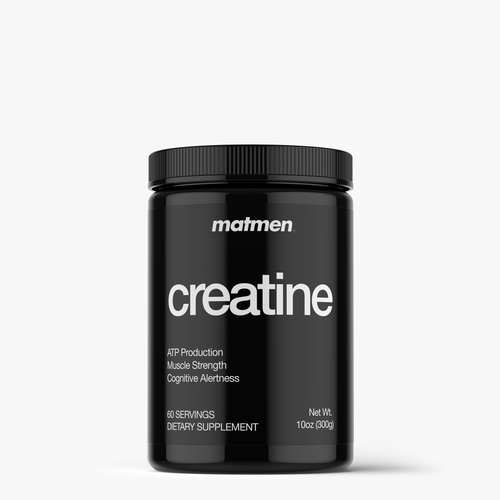
One myth to retire while we are here. Some grapplers drop creatine before a cut because they heard it fights the sauna. Staying on Creatine Monohydrate through a camp is fine for most people, since the water it holds sits inside the muscle where you want it, not under the skin. Dropping it costs you training quality in the weeks when you need it most.
How to add heat without flattening your training
The sauna is a stressor. Small, but real, and it stacks on top of everything else you are asking your body to handle. A few guardrails keep it useful.
Go after training, not before. Pre training heat leaves you a quart low before the first roll. After training, your body is already warm and the session extends the wind down.
Start with two or three sessions a week. Fifteen to twenty minutes is plenty. You do not need the forty five minute hero session, and nobody is impressed by it.
Skip it when you are running on fumes. Terrible night of sleep, brutal week, slight cold coming on. Heat is one more bill your body has to pay. Rest instead.
Get out when you feel off. Dizzy, nauseous, heart pounding harder than the temperature explains. Leaving early is free. Pushing through it earns you nothing.
Rehydration is the other half of the session
Step on a scale before and after. A pound down means roughly sixteen ounces of fluid out, and it took minerals with it. Water alone will not put you back together, since sodium, potassium, and magnesium leave in sweat too. We covered the full playbook in hydration for grapplers, but the short version is simple. Salt your next meal, drink more than you think you lost across the next few hours, and check your urine color the next morning before judging whether you are back to even.
Handled that way, the sauna is one of the cheapest recovery habits available. It helps you sleep, it builds heat tolerance you will feel in competition rooms, and it gives you a controlled tool for the last stretch of a cut. Just treat it like training volume. Dose it, respect it, and do not let it borrow energy your mat time needs.
This article is for informational purposes only and is not medical advice.